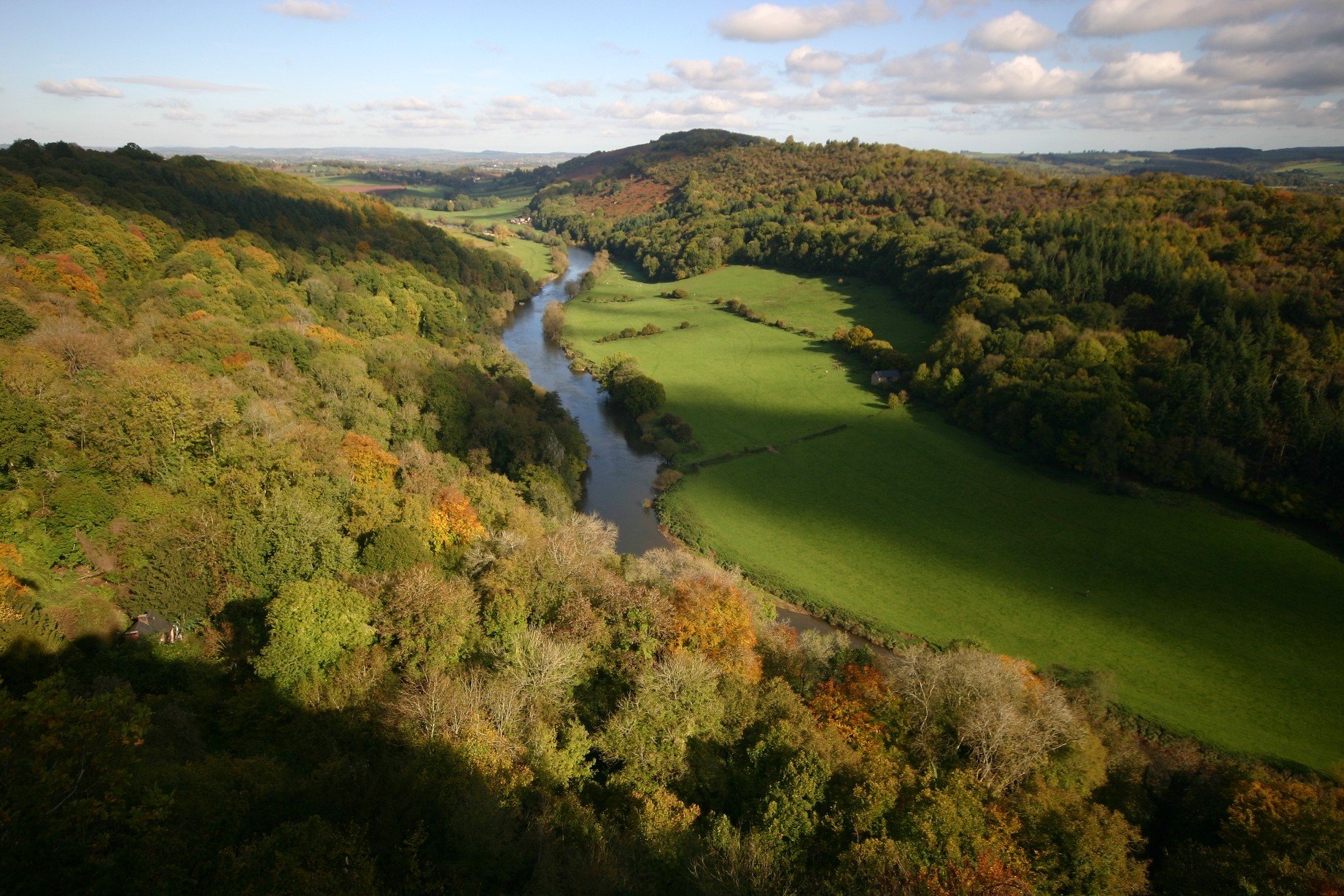
The threat we pose to our environment takes many forms, but few of them as ugly and unpleasant as what happened to the River Wye in June last year. The river, the fifth longest in the UK, turned a putrid green due to an algal bloom, preventing sunlight from reaching the plants and fish underneath, depriving the Atlantic salmon, the European eel and the brown trout of the oxygen they need to breath.
Such incidents can be put down to phosphate levels in the river that, almost everyone would agree, have many causes. Yet, as David Attenborough and the BBC have once again shown us so clearly on our television screens this month, this is part of a much larger failure, at global level, to protect our own environment.
The natural world knows no borders
Despite our desires to draw lines on maps the natural world knows no borders. Our environment and wildlife in Wales is part of one interconnected global ecosystem. Given this, if we are to truly protect and restore our iconic species, we need governments across the world to agree to stand up for nature and wildlife. That is precisely what we hope will happen at the Conference on the Convention on Biological Diversity at Kunming in China this year (COP 15)– though the exact date is not yet clear due to Coronavirus.
This conference is part of an on-going process. In 2010 much of the world signed up to targets, known as Aichi targets, aimed at reversing the decline of biodiversity. The Global Biodiversity Outlook Report published last month concluded that the UK – and the rest of the world – has failed to take sufficient action to do this. This failure has also been recognised by Welsh Government and is why COP15 is so important.
Like the Paris Agreement was for the climate
We hope that this conference will be for biodiversity what the Paris Agreement is for the global climate. Of course, any national government can act to protect wildlife within its own borders. But things are only likely to change at an international level if the world’s governments all make commitments to act, and back this up with undertakings on monitoring, evaluation, reporting and verification.
That’s what we hope will happen at COP15. The UK Government says it’s keen to play a key role. But if this is to happen, they will need to show that all governments in the UK are committed to the sorts of targets that they want others to adopt.
WEL believes that if we are serious about protecting threatened wildlife in Wales, we need to show leadership, to support ambitious global targets to restore biodiversity and to commit to reflecting these targets in domestic law. This will provide crucial accountability and focus Welsh Government’s attention on achieving the targets and milestones, in the same way we have seen happen on climate.
This is a win-win situation. Many of the actions that we need to take to protect threatened wildlife will also serve as nature-based solutions to problems like flooding and soil erosion and will also help capture carbon to reduce net greenhouse gas emissions. We need to adopt a nature positive approach, recognising the value of nature, placing it on the path to recovery and transforming our world to one where people, economies and nature thrive.
“The Edinburgh Declaration”
The good news is that the Welsh Government has already, along with the Scottish Government, signed up to the ‘Edinburgh Declaration’. This states the readiness of many so-called subnational governments, cities and local authorities across the world to play a full part in delivering the transformative change needed to turn around biodiversity declines. What’s more, the Minister Lesley Griffiths MS spoke positively about the idea of setting statutory biodiversity targets before Christmas, noting that this is: “Something we need to look at… We’ve only got six months of this Government and I’d certainly like to make an announcement during that time”1.
We need commitments from all sides. WEL is seeking commitment from the Welsh Government and from all parties to introduce statutory nature recovery targets for Wales in the run up to this year’s critical global discussions. Between now and the conference, whenever exactly it happens, we’re planning to work with our supporters and with helpful MSs and Ministers to help make this happen.
References
- At the CCERA Committee in the Senedd on 12 Nov 2020, paragraphs 120 and 125. Climate Change, Environment and Rural Affairs Committee 12/11/2020 – Welsh Parliament (senedd.wales)
- Natural Resources Wales: River Wye ‘failing on pollution targets’ – BBC News
- https://business.senedd.wales/documents/s111291/Welsh%20Government%20paper%20-%20Draft%20Budget%202021-22.pdf