Guest Blog: Sky Roberts from Keep Wales Tidy
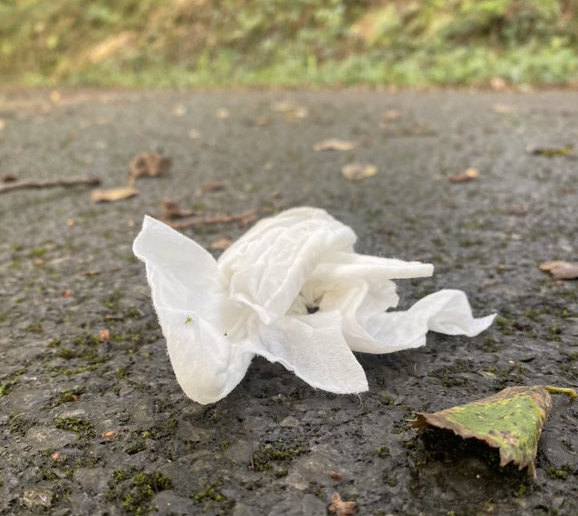
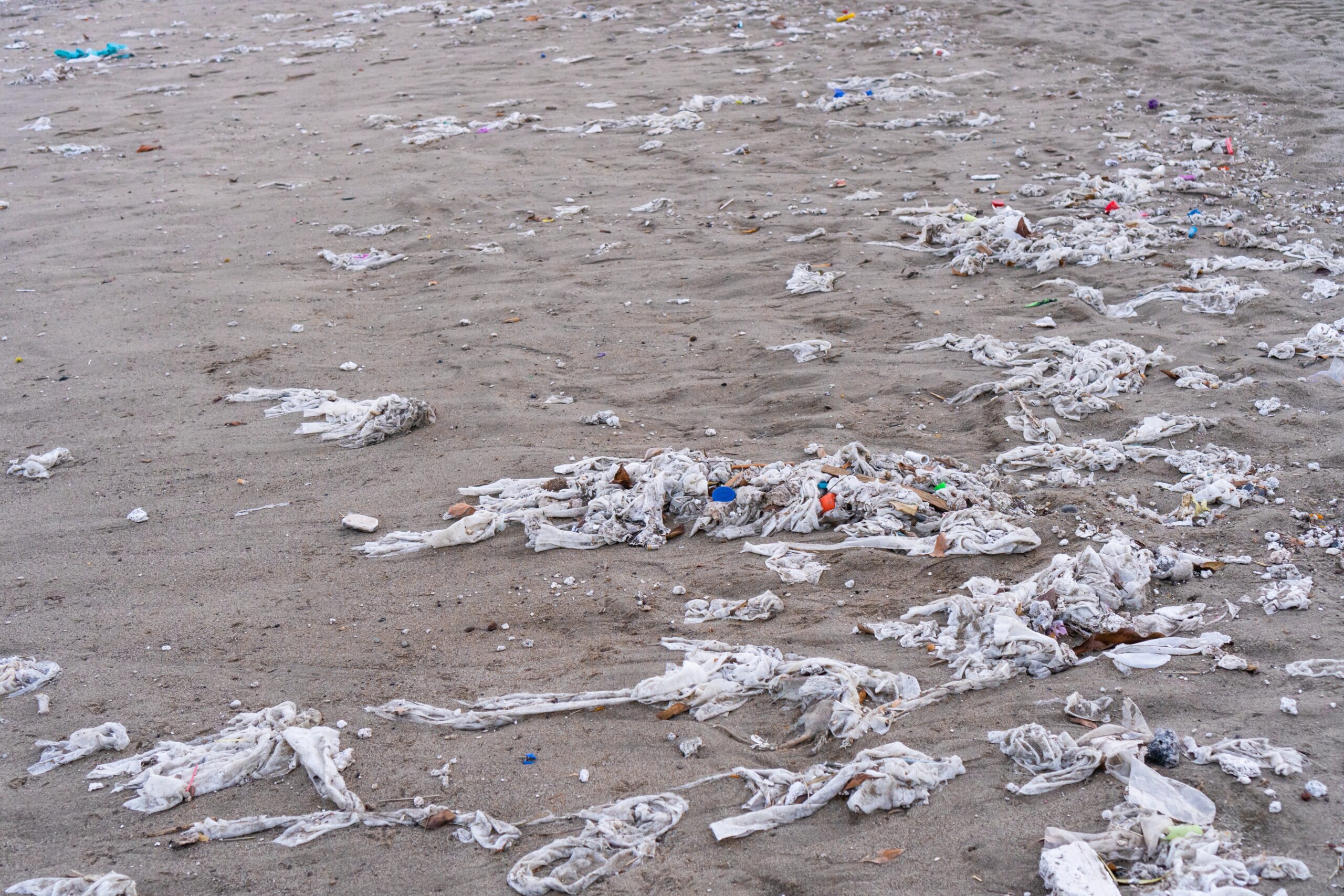
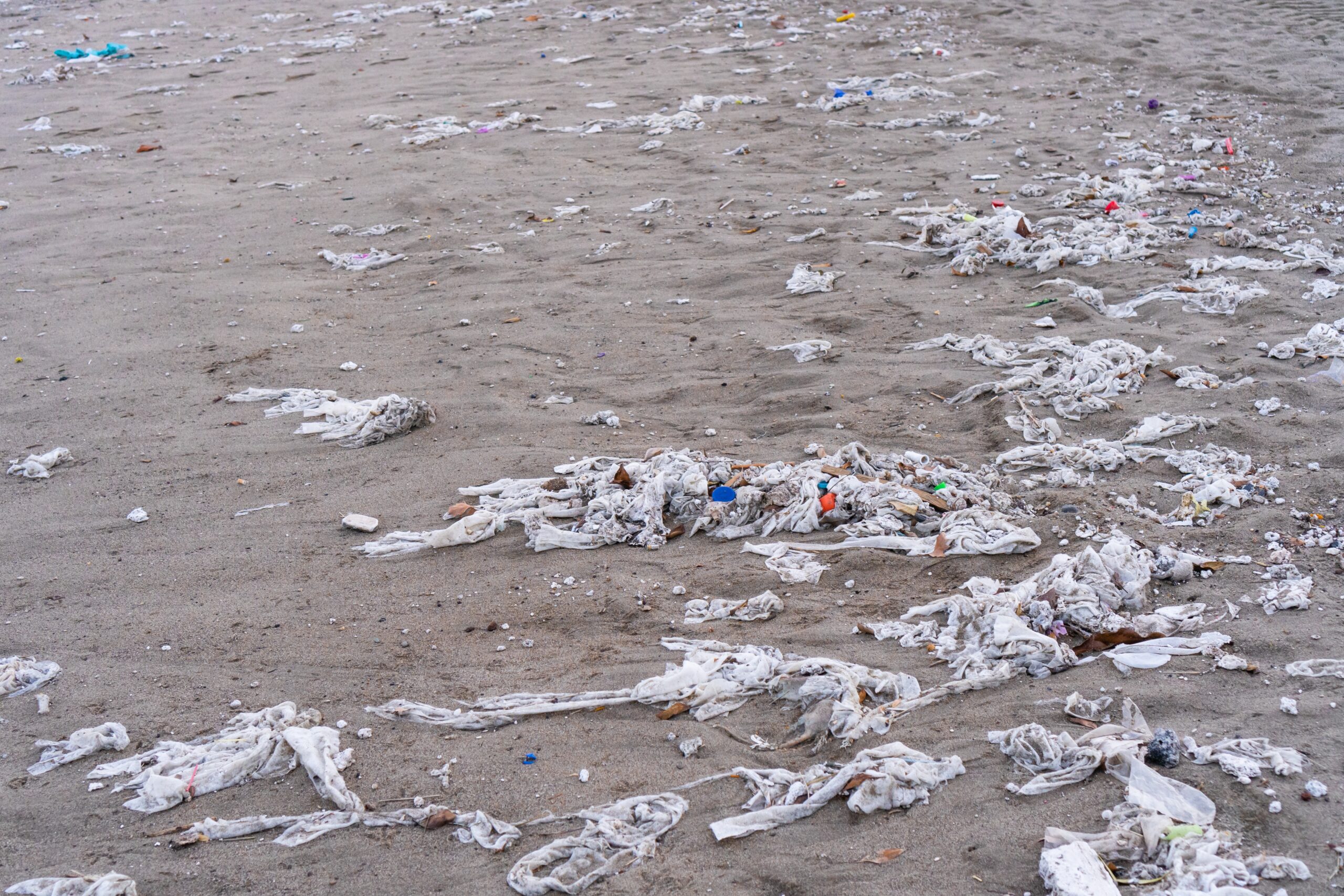
The UK Government recently undertook a consultation to gather views on a potential ban of wet wipes containing plastic. For years, wet wipes have plagued our sewers, rivers, beaches and streets, due to improper disposal by users.
- Beaches: In 2022, the Marine Conservation Society’s Great British Beach Clean campaign found wet wipes were the 5th most common plastic item on British beaches.
- Rivers: Although river-specific wet wipe data is a bit thinner on the ground in Wales, anecdotal evidence like the “Wet Wipe Walk” along the Taff Trail demonstrates the scale of the problem.
- Streets: Results from Keep Wales Tidy’s 2022-23 annual street cleanliness surveys suggest there are almost 7,500 wet wipes littered on 9.8% of Welsh streets at any one time.
- Sewers: Dŵr Cymru Welsh Water estimates wet wipes cause around one third of blockages they attend and cost around £3 million to manage.
A ban of plastic wet wipes would fix this, right? If only it were that simple. Let’s work our way through the options.
Option 1: Ban plastic wet wipes
Manufacturers and retailers have already begun to voluntarily omit plastic from their wet wipes, meaning many wipes currently on the market are already plastic-free, but the problem remains that many plastic alternatives do not breakdown quickly or in entirety.
Option 2: Make wet wipes compostable or biodegradable
Many wet wipes are advertised as being compostable or biodegradable, but currently there is no legal definition of these terms that specifies the time period and conditions required for breakdown. In the natural environment, the current “biodegradable” wipes could take a considerable amount of time to breakdown. Data from Keep Wales Tidy’s street cleanliness surveys suggests people may be more likely to litter items they believe to be biodegradable, than items they believe not to be, as it is thought the former will “disappear”. This misconception is likely to extend to improper waste disposal through flushing, meaning more “compostable” and “biodegradable” wet wipes could lead to more blockages and environmental pollution. So, how can we stop people flushing and littering their wipes?
Option 3: Stop people flushing and littering their wet wipes
We’ve tried, believe me. Dŵr Cymru Welsh Water’s ‘Stop the Block’ campaign has been running for several years but has been unable to deliver the step change needed. There is also scope to label wet wipes of all materials with “Do not flush” – a label already used for plastic wet wipes in the European Union (flushing should be confined to the ‘three P’s’ – pee, poo and paper). But if the Stop the Block campaign hasn’t changed behaviour, can a packaging label really work? And this is just considering the flushing – have you ever tried to get people to stop littering? It’s not easy, as Keep Wales Tidy, we should know!
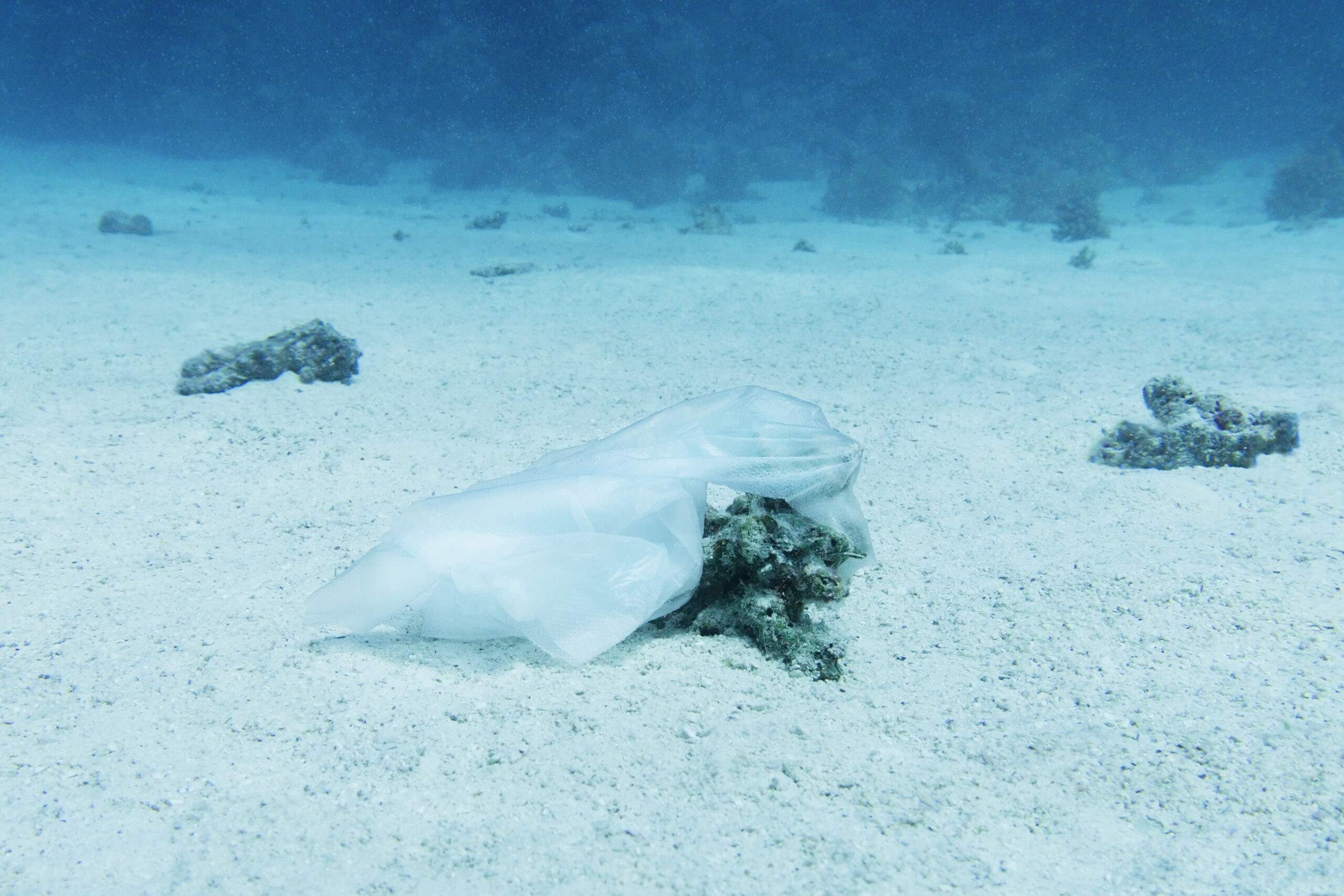
Ultimately, even if all of the above options were combined, the best-case scenario still involves the production of single-use wet wipes from virgin materials, that will be either home-composted, incinerated or landfilled (industrially-compostable residential waste is not yet separated in Wales). As with many of our everyday items, we know that there is a better way and that the best course of action is to prevent the harm in the first instance. Prevention, not reaction, needs to be driving our efforts.
Option 4: Reusables
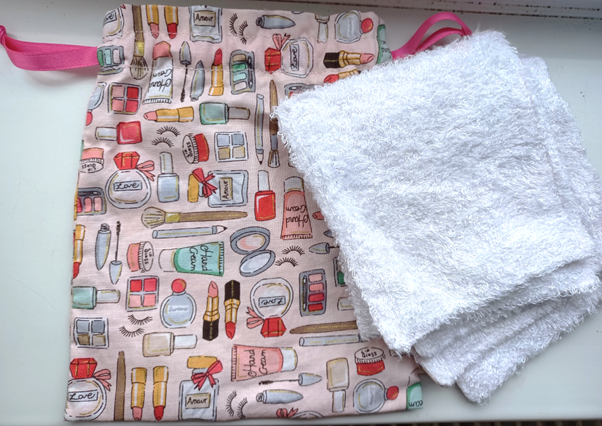
We could move to prevent or ban all disposable wet wipes (except for justified exemptions), with the creation and normalisation of reusable, washable alternatives made from natural materials. The washable alternatives would be a one-off expense to consumers and the reusability would erase the need for disposal after one use (i.e. no more blocked drains or litter) and would mitigate the need to produce so many wet wipes in the first place.
This is a longer-term solution and whilst arguments can be made around life-cycle assessments, bans on many plastic items across the UK are becoming the focus of legislative intent. What we really need to consider however, is phasing out not just single use-plastics, but single-use consumerism itself, wherever possible and as soon as possible.
It is essential to integrate circular economy principles and systems-thinking into all conversations around bans and alternative materials, to strive for ambitious policy-making that supports the best outcomes (and not just the most convenient) for people and planet. Having read the draft consultation responses from environmental organisations across the UK, the message is not one of simple plastic reduction, it is a call for a fundamentally more prevention-focused narrative. We need governments across the UK to apply long-term thinking across all aspects of waste and to adopt circular principles as the overriding convention of environmental policy.
Wales Environment Link and its members will continue working on this issue and update via our blog and social media on X when the UK Government has made a decision. The resounding call in Wales though is – yes, we want to see disposable ones banned and to stop the wet wipe problem in our litter, our pipes and sewerage systems.
You can read the full response, submitted by our Sister Link in England, Wildlife and Countryside Link, below.