Guest Blog: Rachel Bedwin at RSPB Cymru
Nature is in crisis in Wales – wildlife numbers are plummeting, with one in six species at risk of being lost from Wales according to the State of Nature 2023. In a new report on ‘Species in Peril’, Natural Resources Wales (NRW) concluded that almost 3000 species in Wales are found at five sites or fewer. In addition, many of the areas in Wales that have been protected for nature are in unfavourable or unknown condition, meaning they are not delivering true nature conservation.
Of course, the nature emergency is not limited to Wales, biodiversity declines and ecosystem collapse are global concerns. But Wales is, along with the rest of the UK, one of the most nature-depleted countries in the world (a point noted in the introduction to NRW’s 2025 State of Natural Resources Report).
The Kunming-Montreal Global Biodiversity Framework (GBF), adopted during the 15th meeting of the Convention on Biological Diversity Conference of the Parties (2021/22), sets out goals and targets to help reach the overall vision of a world living in harmony with nature by 2050. The third target in the GBF is to conserve 30% of land, freshwater and sea for nature by 2030 (“30 by 30”), and in 2022 the Welsh Government led a Biodiversity Deep Dive looking at how Wales can achieve this ambitious goal. A suite of commitments were published in October 2022, including one to ‘transform the protected sites series so that it is better, bigger, and more effectively connected’. This blog explores recent evidence on the challenges around delivering this commitment, focusing on sites on land.
Protected Sites
Sites of Special Scientific Interest (SSSIs) are nationally important protected wildlife sites. Covering roughly 11% of Wales’ land area, they are intended to represent the jewels in the crown of Welsh nature, with designations spanning a wide range of habitats and species. They are subject to legal controls on activities that can be undertaken within them and are protected from inappropriate development. Support can also be provided to landowners and managers to ensure they are positively managed. Other types of terrestrial protected areas – including internationally important Special Protection Areas (SPAs) for birds and Special Areas of Conservation (SACs) protecting priority habitats – are almost always underpinned by SSSI designation.
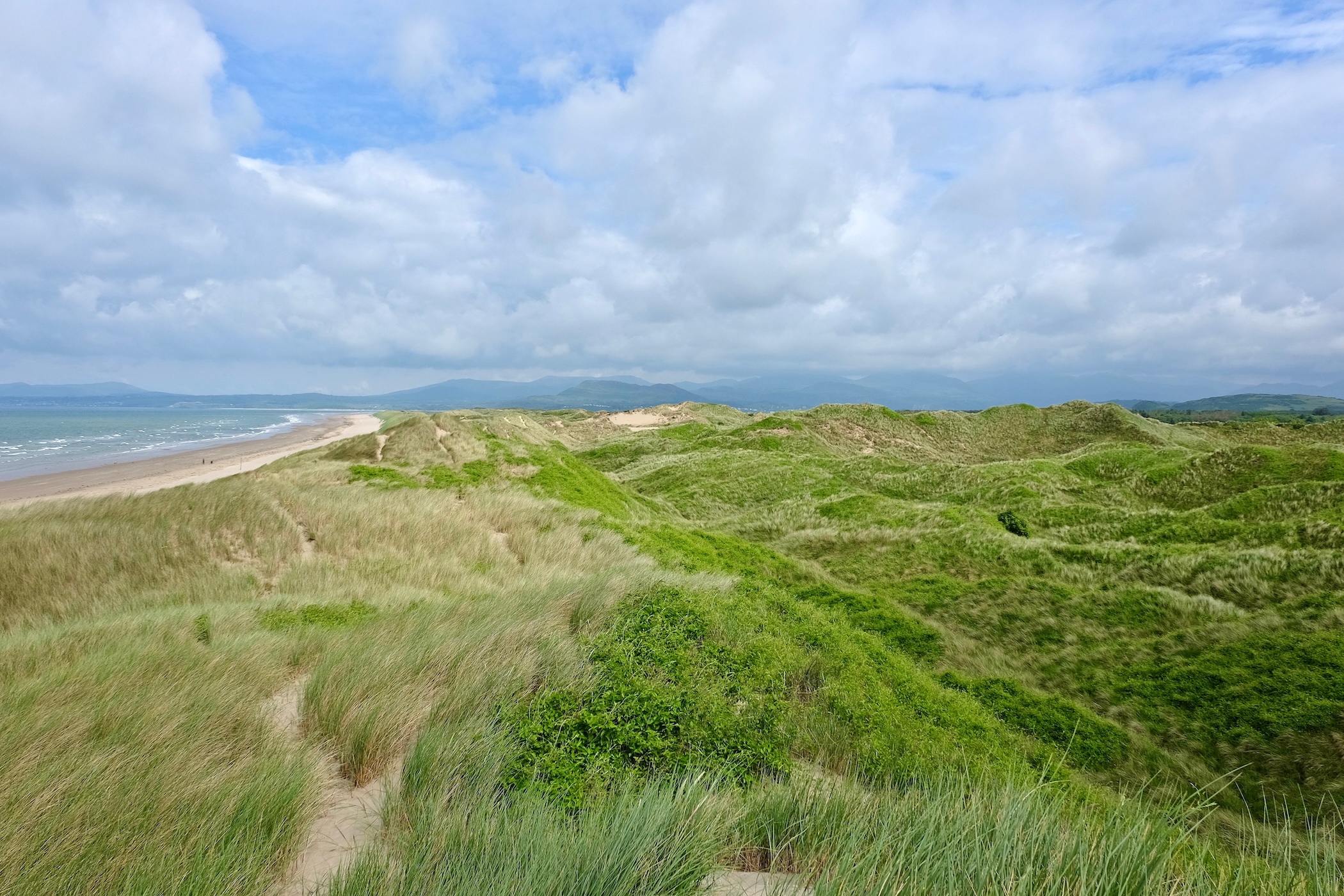
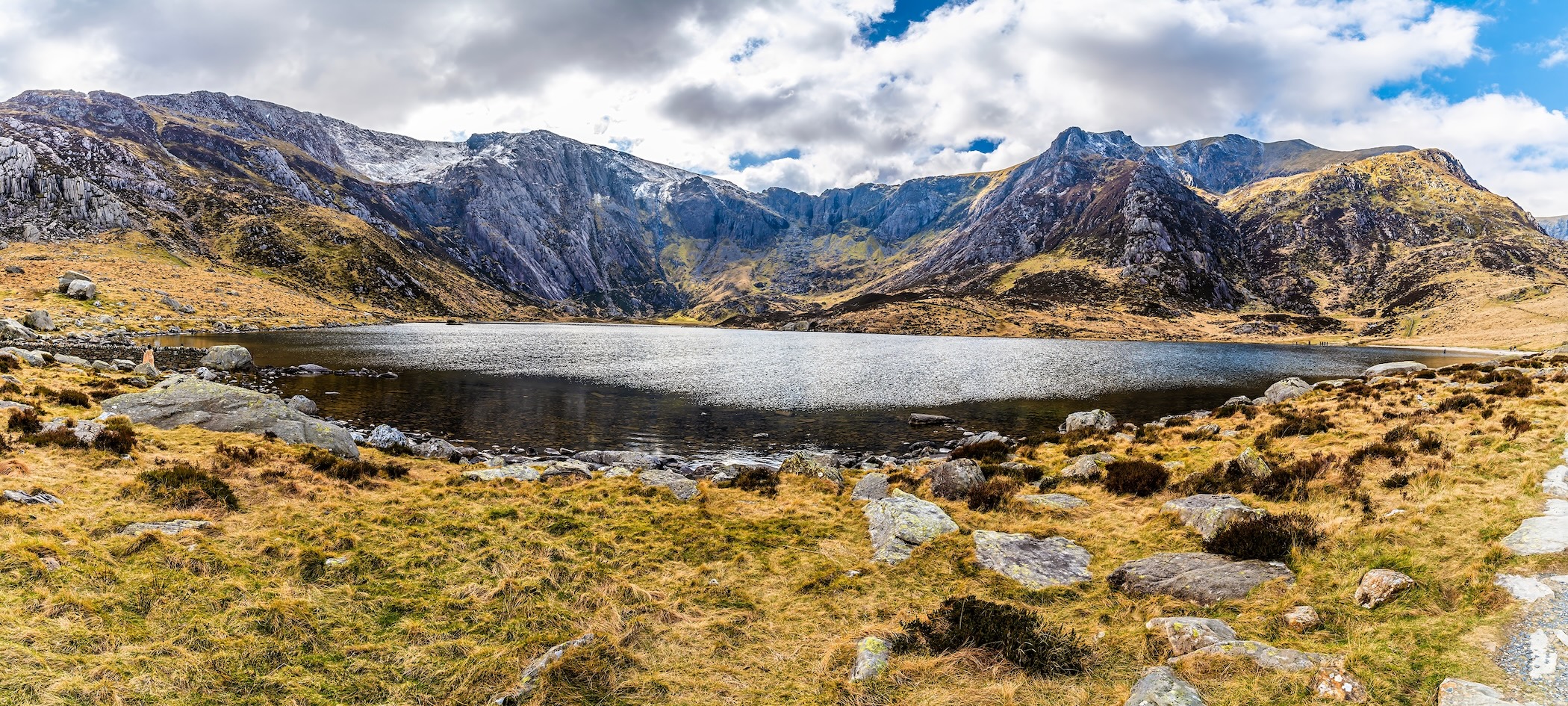
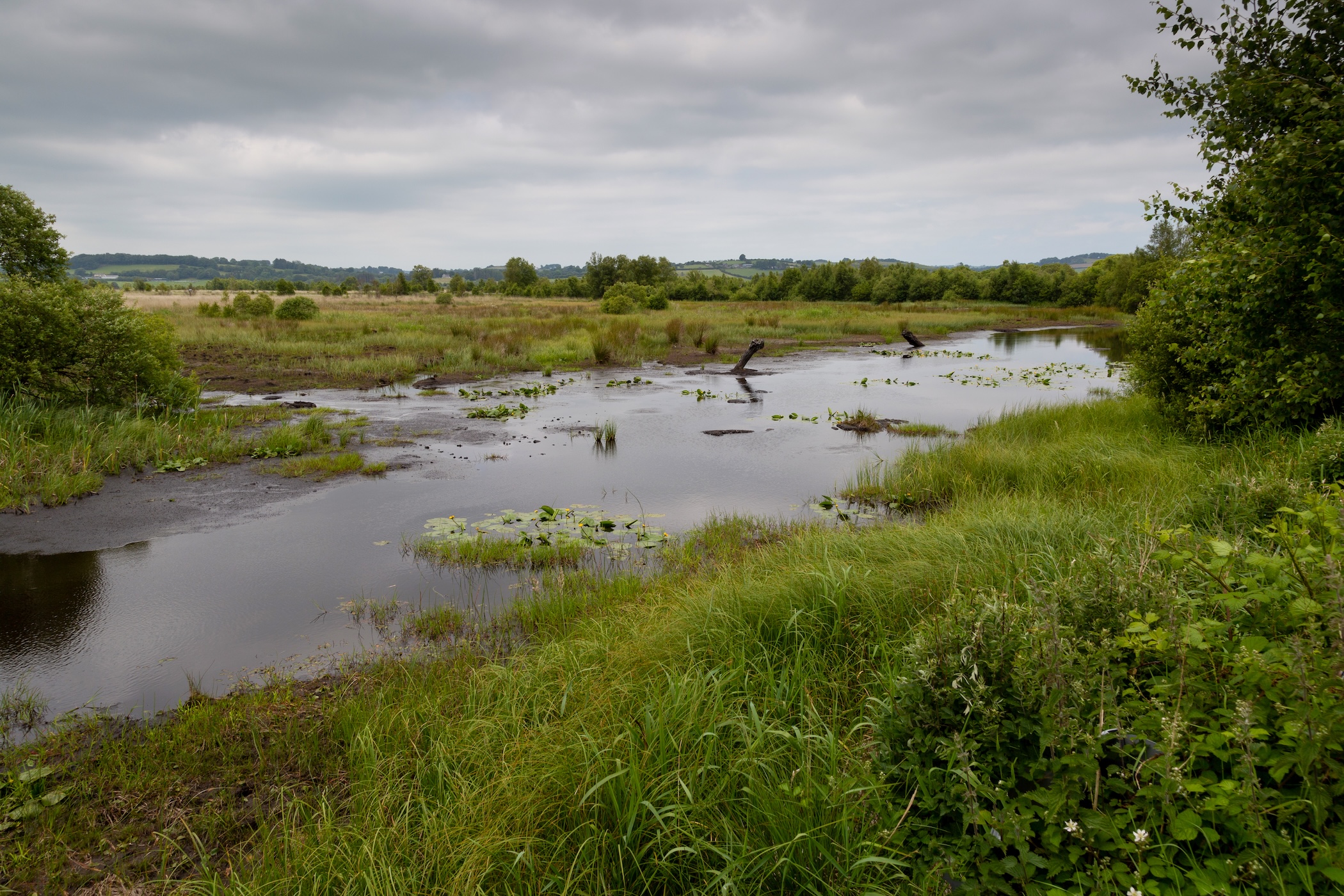
In Wales, SSSIs are a haven for many threatened species. According to NRW’s Species in Peril report, the majority of the 3000 species found at five sites or fewer are found on SSSIs, and almost 50% of them are only found on SSSIs. These statistics emphasise the importance of protected sites for some of the rarest species in Wales. Surely, then, everything possible is being done to protect these sites and ensure they are effectively managed?
Unfortunately, this is not the case. In NRW’s 2020 baseline assessment, only 20% of features in SSSIs were reported to be in favourable condition, and the condition of 50% of features was unknown. Audit Wales’ recent report Protecting Nature for Future Generations? details the slow progress NRW is making with designating new SSSIs – something that is more pressing than ever with 2030 looming. Only 31 have been designated since NRW’s creation in 2013, an average of less than three per year! In the three years prior to this, the Countryside Council for Wales designated around 14 new sites per year. Audit Wales found the lack of designations was a consequence of loss of NRW staff capacity, and a lack of internal clarity around the level of designation activity expected. At such a crucial time, we cannot afford for delays in the protection of important natural features.
What are the next steps?
These reports paint a bleak picture, and demonstrate that success in delivering 30 by 30 will depend on urgent action being taken now. In the 30 by 30 Progress report from Environment Links UK, Wales Environment Link sets out recommendations that would help the Welsh Government to reach its goal – including making the most of available ecological evidence to progress new site designations, taking action to improve site condition (including establishing a well-resourced monitoring framework), ensuring land-management payments support 30 by 30 delivery, and addressing systemic threats to site condition, like river pollution. The Interim Environmental Protection Assessor for Wales’s (IEPAW) Protected Sites in Wales report, published earlier this month, made a number of similar recommendations on improving monitoring, protection and management of SSSIs and ensuring that NRW is properly resourced for these functions.
A common theme across commitments and reports is that, to respond to the nature emergency, our protected sites, together with other effective area-based conservation measures (OECMs), need to be better, bigger, more, and connected – part of a resilient ecological network supporting species across our landscapes.
The opportunity under Wales’ new Environment Bill
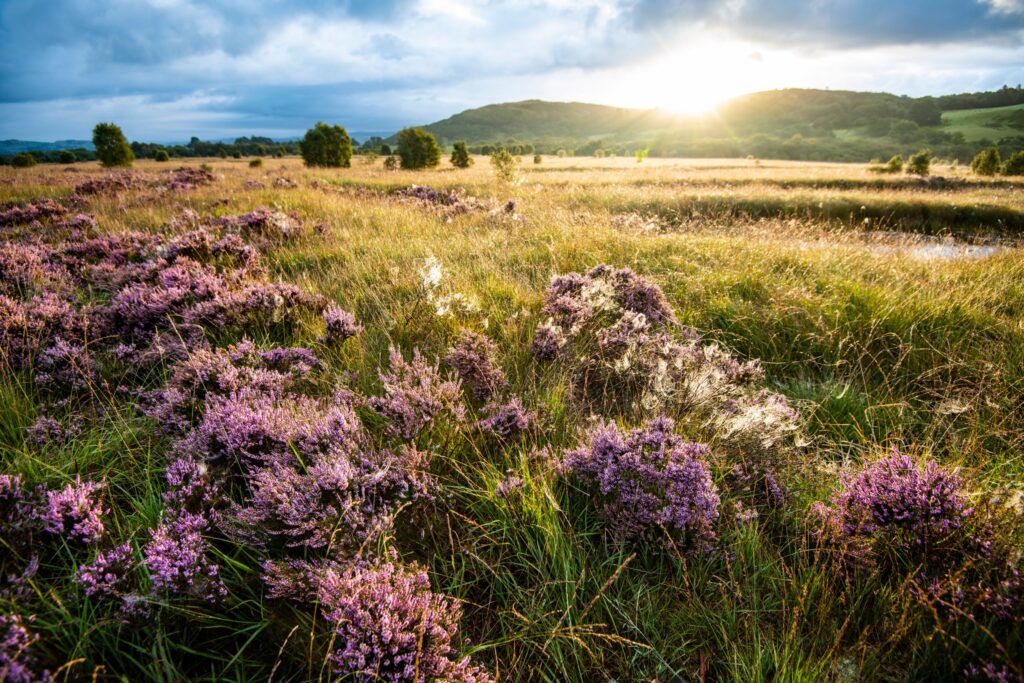
The Environment (Principles, Governance and Biodiversity Targets) (Wales) Bill, currently in Stage 3 of its passage through the Senedd, requires legally binding biodiversity targets to be set within two years i.e. setting them will be the responsibility of the next Welsh Government. Ministers must ensure the targets are met, and we hope that this new level of accountability for the state of nature will drive action with a new urgency. The evidence and recommendations described above, with targets relating to site condition and the extent of habitats managed for nature positive outcomes, should inspire and enable the next set of Welsh Ministers to drive action that will put Wales on a path towards 30 by 30, as outlined in the GBF’s 2050 Vision.
Find out more about those featured Nature Reserves: