Guest Blog: Catherine Gemmell from Marine Conservation Society
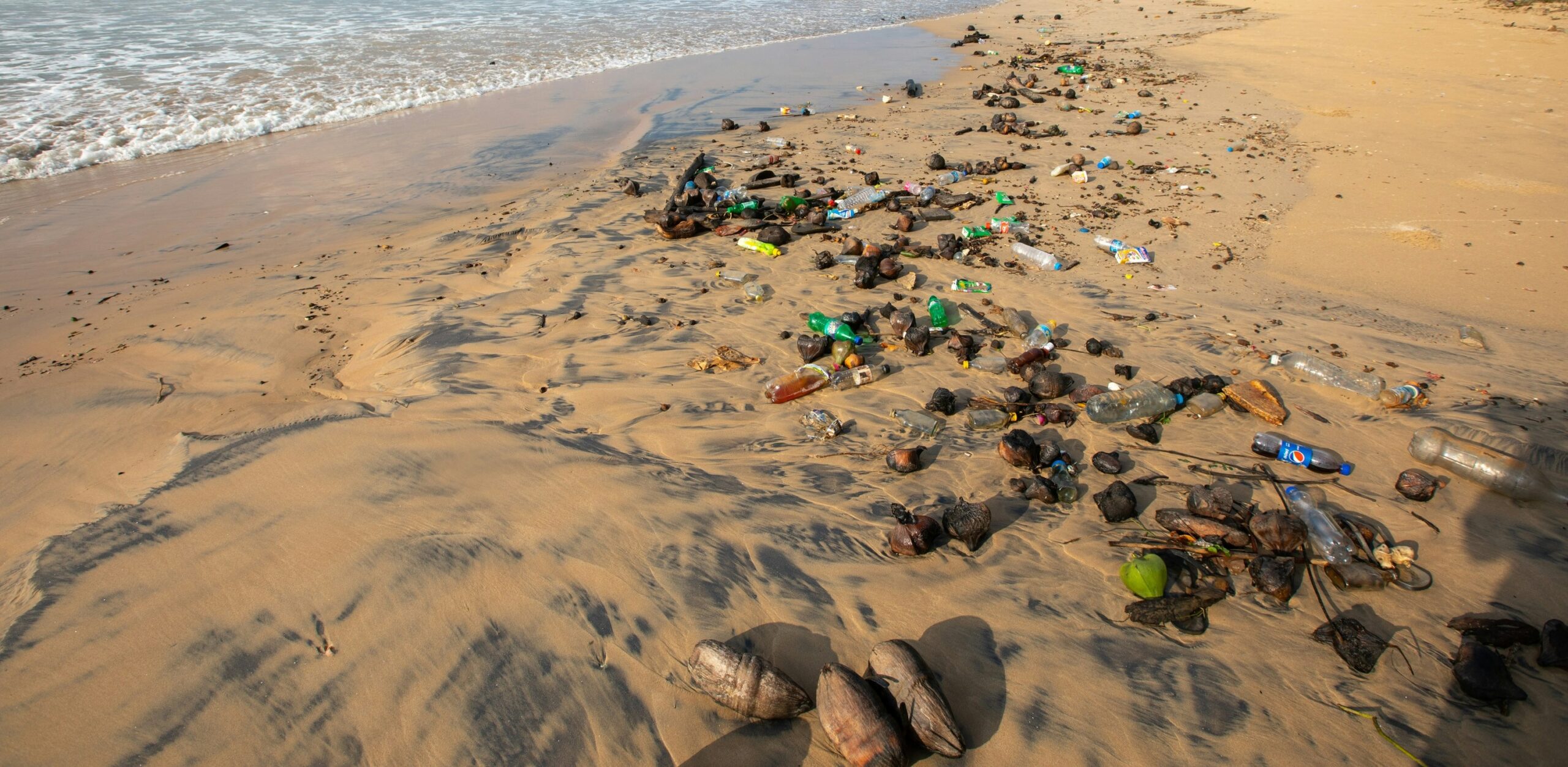
Last year, our Beachwatch volunteers found bottles and cans littered on 99% of surveyed beaches in Wales, highlighting the urgent need for a Deposit Return Scheme for drinks containers – something we at the Marine Conservation Society have spent almost a decade campaigning for.
What is a Deposit Return Scheme?
A Deposit Return Scheme (DRS) is a scheme that encourages people to return empty drink containers, such as glass or plastic bottles and metal cans, so they can be reused or recycled.
You pay a small deposit (usually around 20p) on top of the price of a drink, which you get back when you return the empty drinks container to a collection point – like a supermarket or shop.
This simple but effective system reduces littering, puts value on what’s commonly seen as ‘worthless’, and encourages people to pick up drinks litter that they find, keeping our environment cleaner and safer for everyone.
All four UK nations have committed to implementing a Deposit Return Scheme for plastic bottles and cans, while Wales is planning to include glass bottles through a reuse scheme. The schemes are due to start in October 2027.
Why do we want a Deposit Return Scheme?
We know that DRS work from dozens of already existing schemes across the world. They’ve been found to reduce drinks litter by 54% on average and are a key step towards a circular economy where nothing is wasted or thrown away, but is instead reused, refilled or repaired.
On a recent field trip to Latvia, we heard from a local green NGO that does beach cleans, which has seen a significant decrease in littered bottles and cans on Latvian beaches since the country’s DRS started in 2022.
Closer to home, Ireland has seen similar success, with beach clean and litter survey group Coastwatch reporting a big decrease in bottles and cans on beaches since the Republic introduced its DRS at the beginning of 2024.
These success stories give us hope for the results we can expect to see in Wales following the start of its DRS, which our volunteers and Beachwatch surveys will help evidence.
What stage are we at?
The Welsh Government has recently finished consulting on the reuse plans for its upcoming DRS. We responded to the consultation along with several of our friends, including Reloop, Keep Wales Tidy, Trash Free Trails and Wales Environment Link.
We also created a handy guide to support people to respond to the consultation, highlighting some of our main asks, such as ensuring that young people and communities are involved in the design and delivery of the scheme.
In our response, we used our Beachwatch stats to support the inclusion of glass and we are big fans of moving to a refillable or reusable scheme and highlighted the need for thorough research into the best materials for reuse. Denmark and Latvia have refillable glass bottles as part of their schemes, and several small producers in Latvia use a standardised bottle that makes the washing and refilling process much more efficient. If plastic is being looked at as a reusable option, we want to ensure that any unintended consequences of chemical or microplastic pollution are mitigated.
Now we’re hoping to see the regulations for the DRS laid in the Senedd very soon, so industry can start preparing to roll out the scheme in October 2027.
What can you do to help?
Everyone has a part to play to ensure Wales gets the DRS it needs and deserves. A really easy action is to join our DRS Fan Club – adding your name and providing a short quote can help us show the massive support that exists for DRS across Wales and the rest of the UK.
You can also help by gathering the vital litter data that helps us demonstrate the need for DRS and monitor its impact on reducing marine litter.
If you live near the coast, you can take part in our Beachwatch project to clean and survey litter on 100m stretches of beach, and if you live in a town or city, you can take part in our inland Source to Sea Litter Quest and Keep Wales Tidy’s ecount Cymru. You can also take part in the Trash Free Trails litter survey when out on recreational trails.
What’s next after DRS?
Unfortunately, it is not just bottles and cans polluting Welsh beaches.
Single-use plastics were found on 99% of beaches surveyed in Wales in 2024, showing the need for further action to tackle this type of plastic. We look forward to the Welsh Government launching Phase Two of its single-use plastic bans. This should include single-use plastic carrier bags and drinks lids, as well as oxo-degradable plastics, which contain additives to speed up the breakdown process, causing the plastic to break down into tiny particles. We hope that these bans will mean we’ll see a decrease in this type of litter in the coming years.
We also saw a 33.5% increase in cigarette stubs on Welsh beaches compared to 2023, with this type of litter recorded on 65% of beaches surveyed in 2024. This highlights the need for a ban on single-use plastic filters which we have also been calling for, alongside bans on other smoking-related litter items like disposable vapes.
By gathering this vital data, sharing it with policy makers and working with partners like Wales Environment Link, we can turn the tide on beach litter polluting our beautiful Welsh beaches.